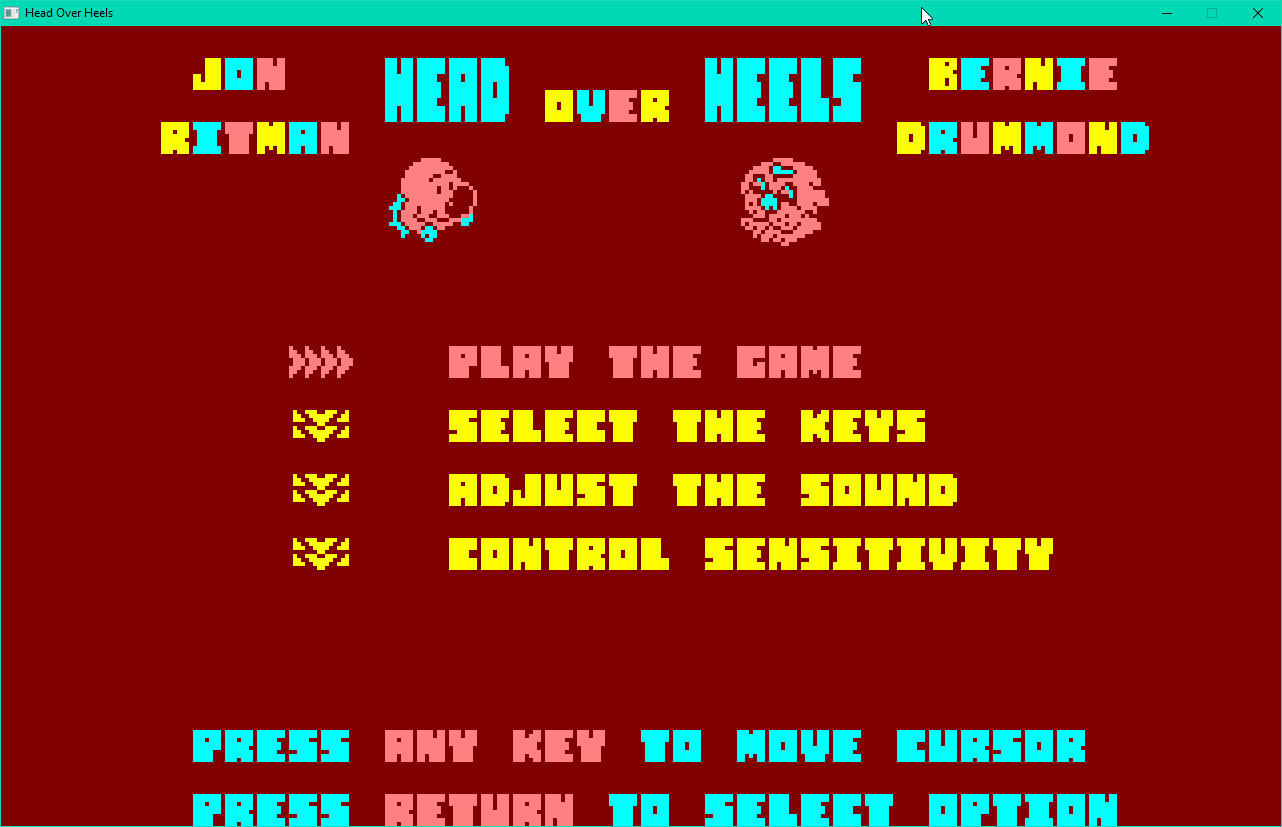
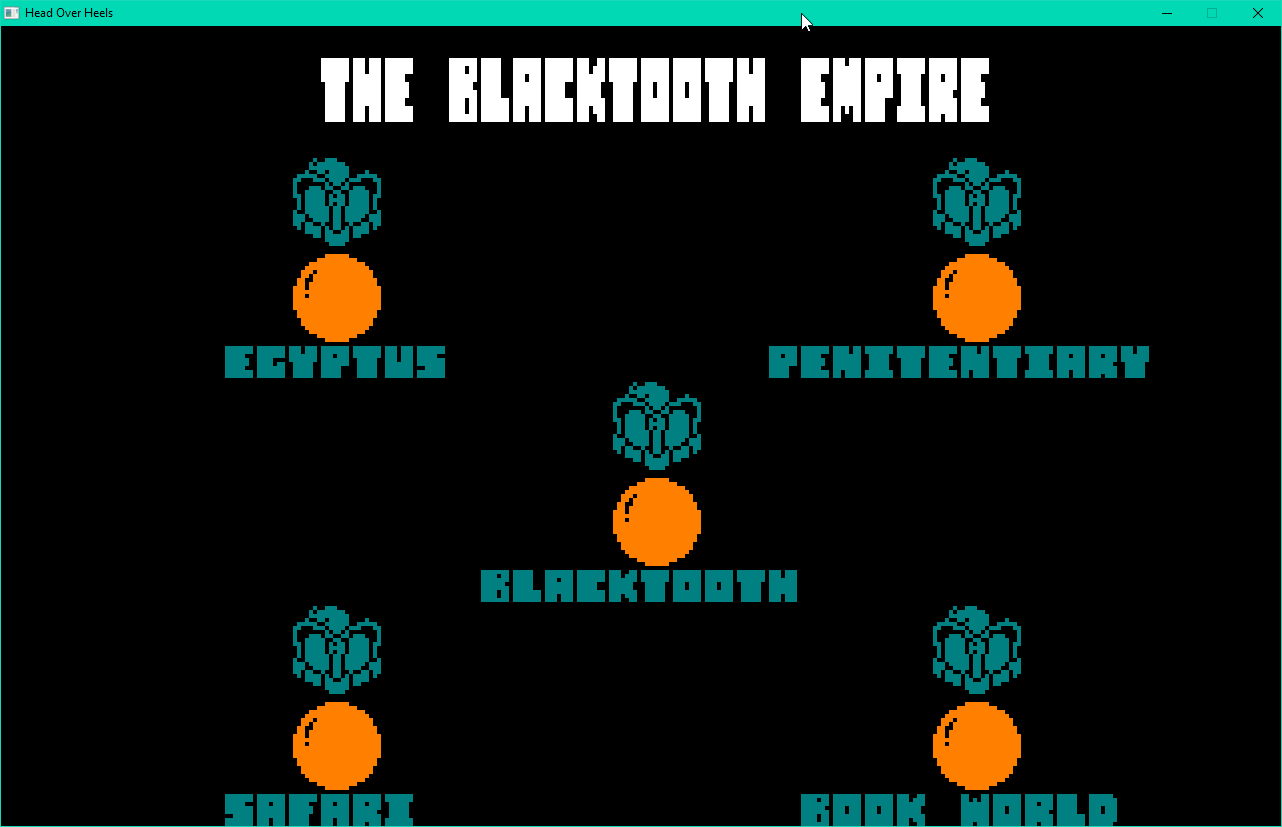
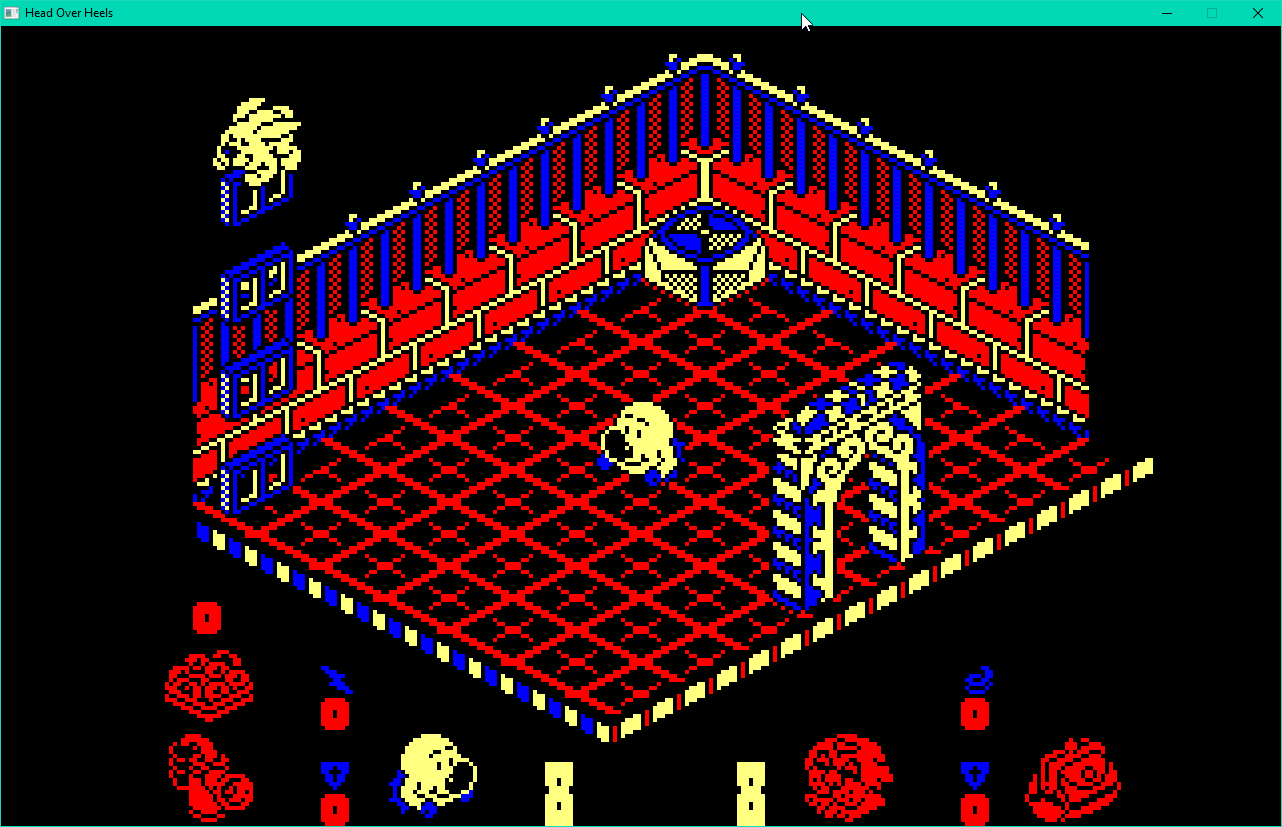
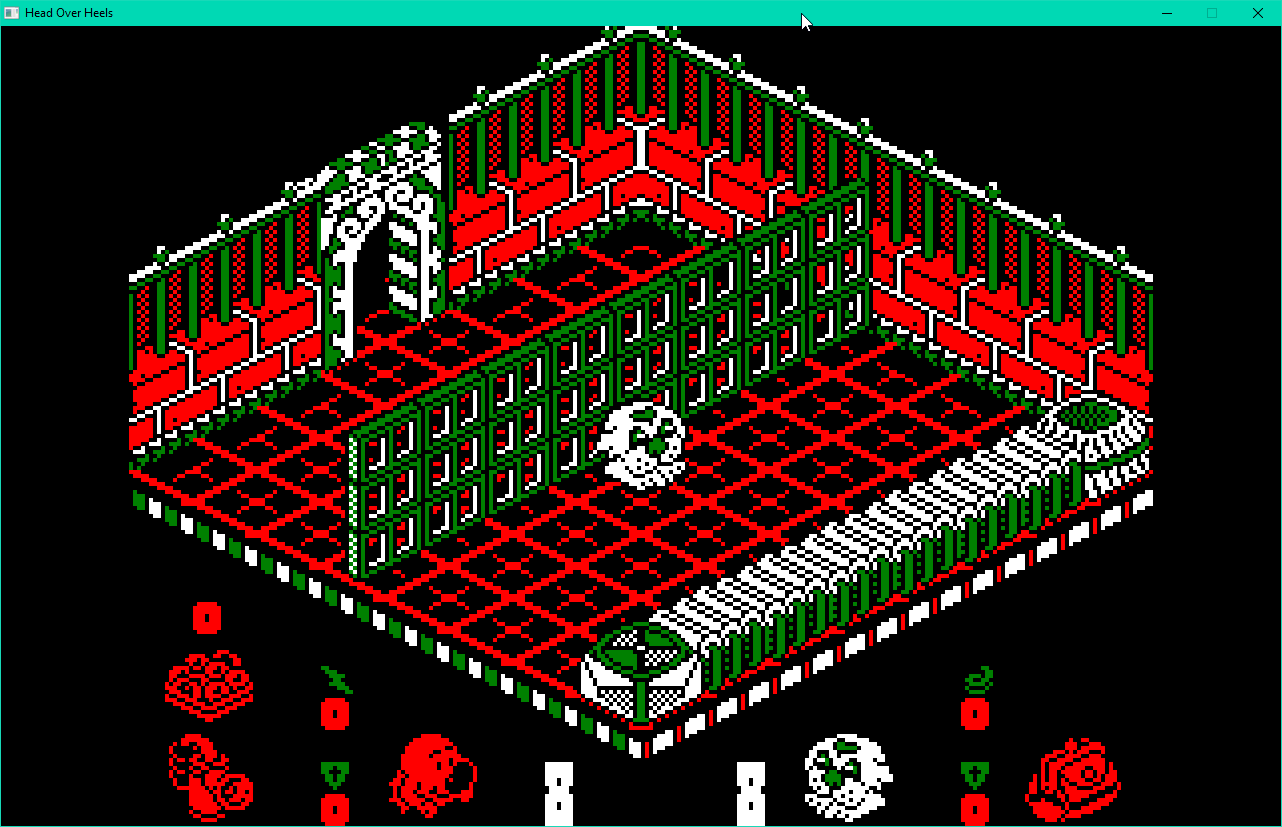
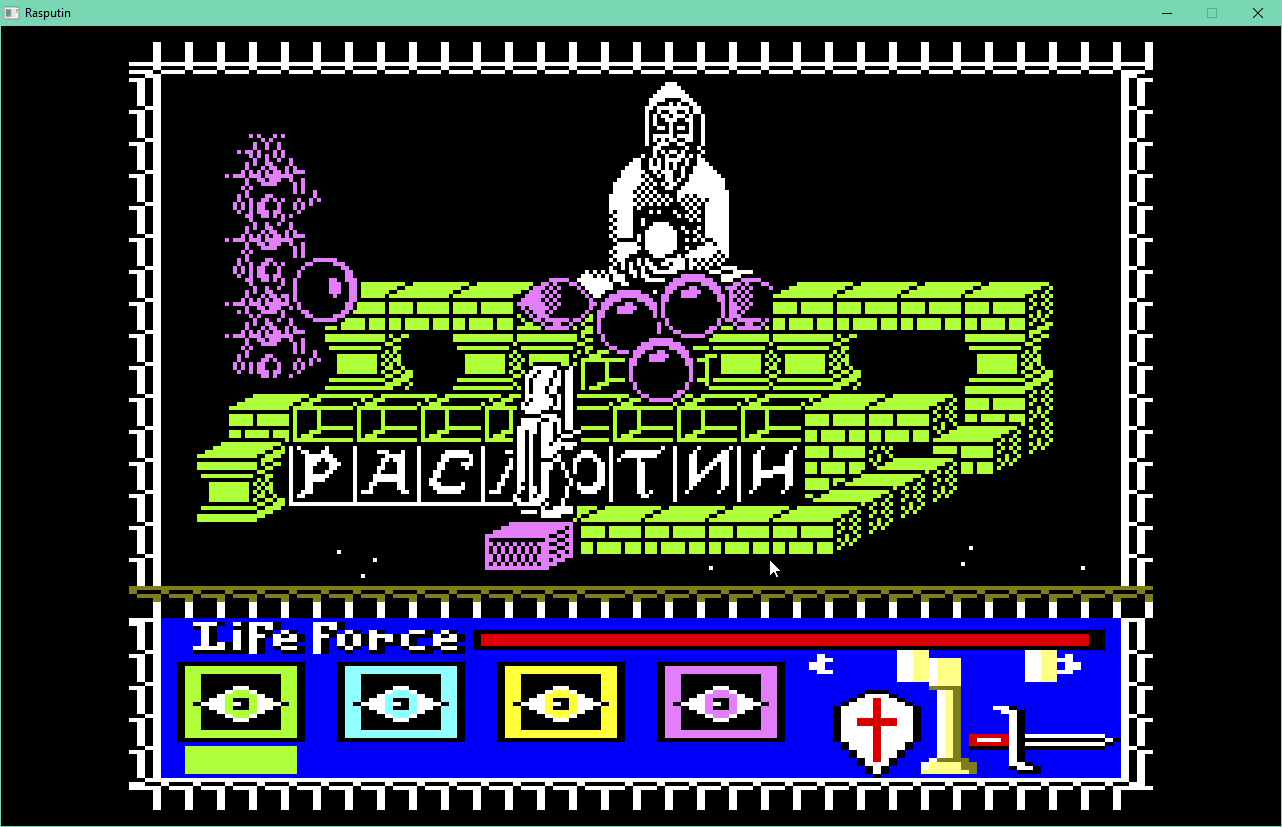
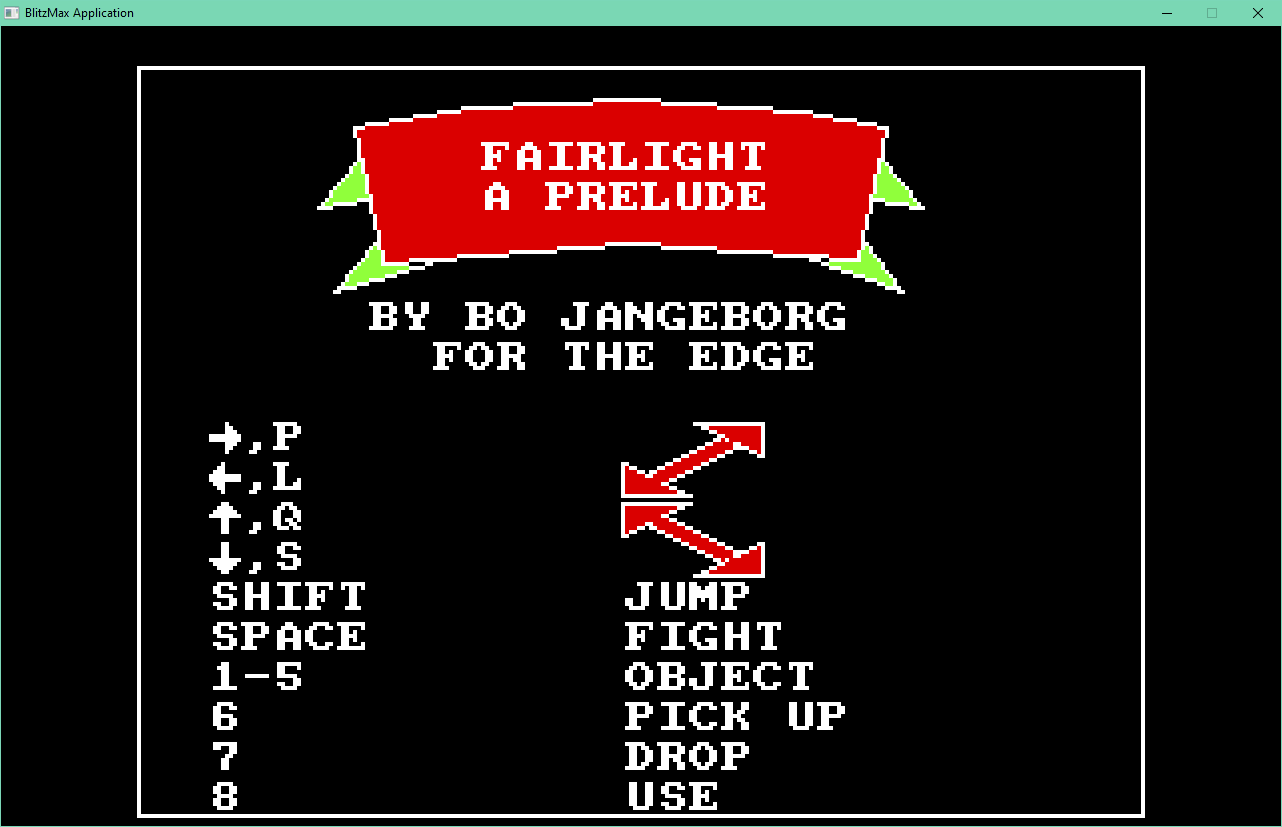
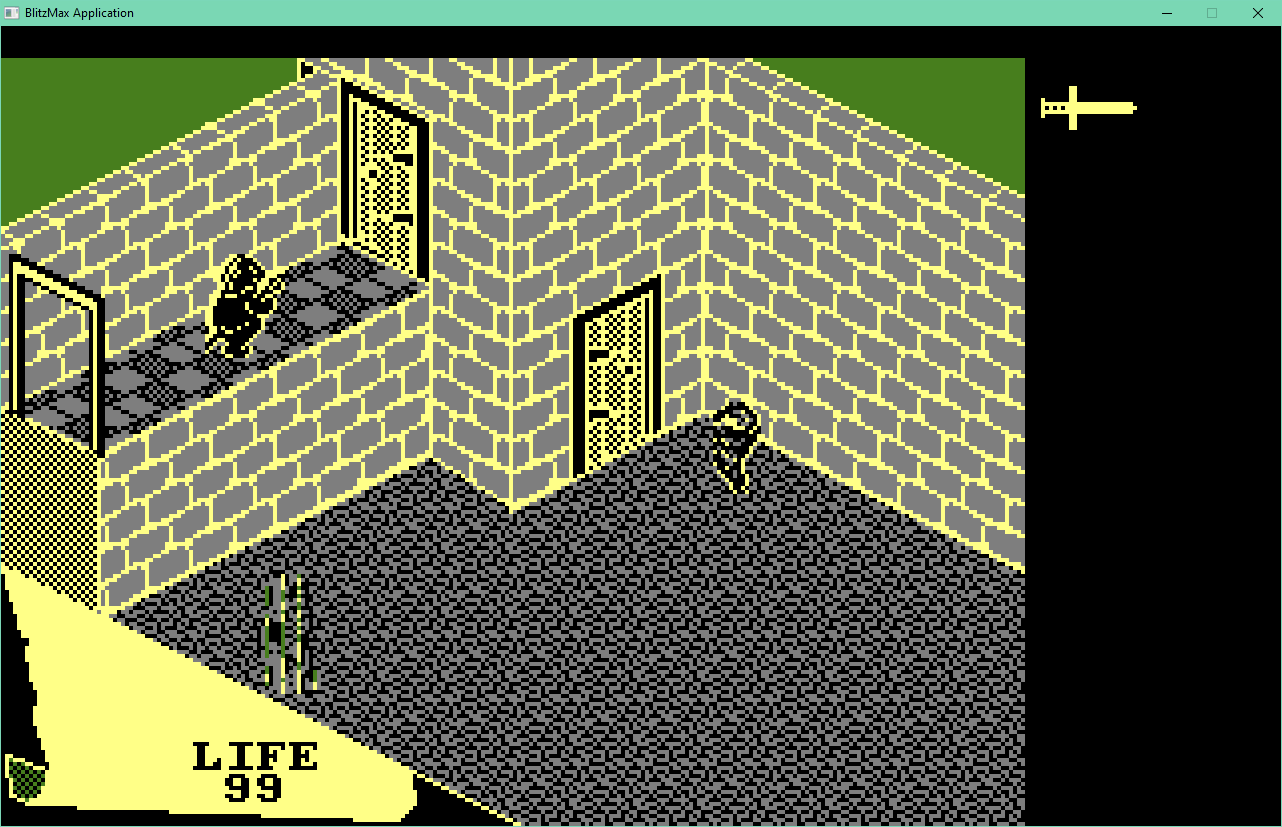
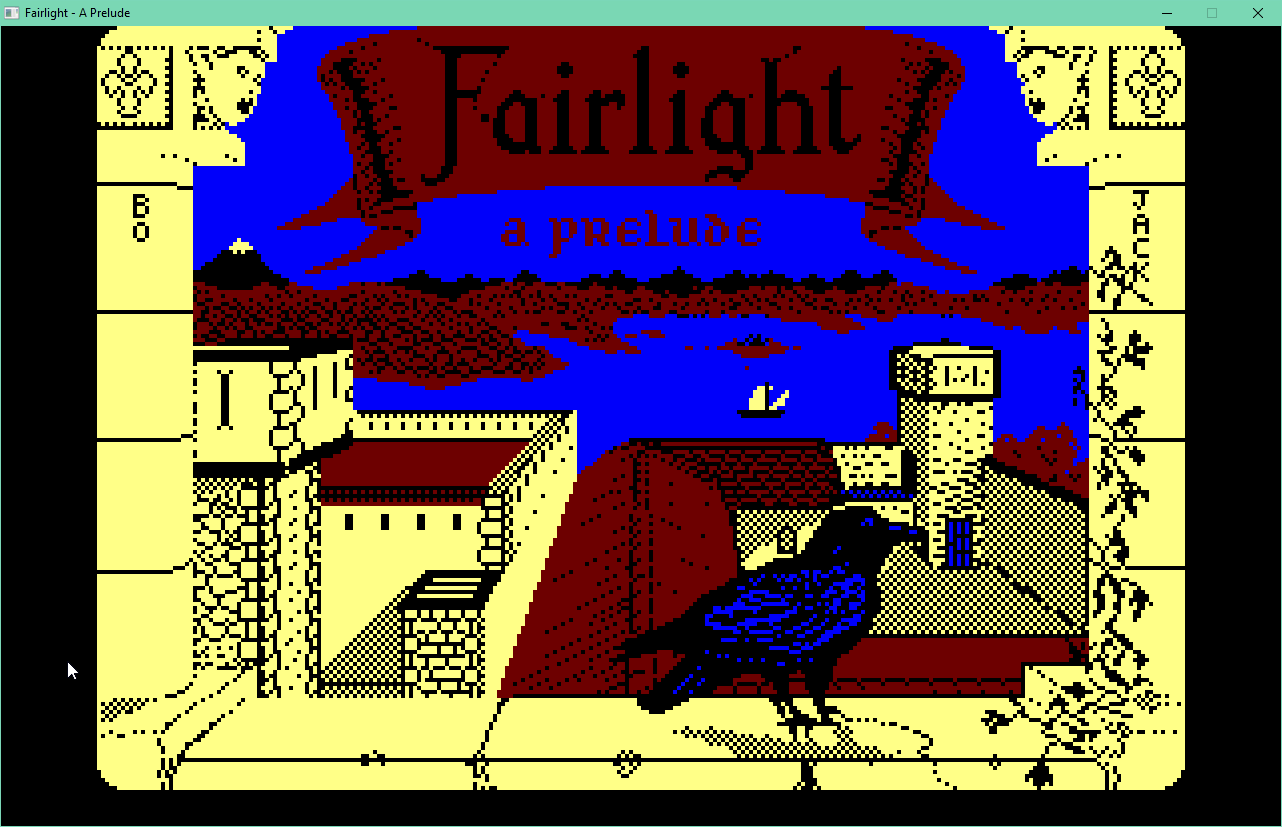
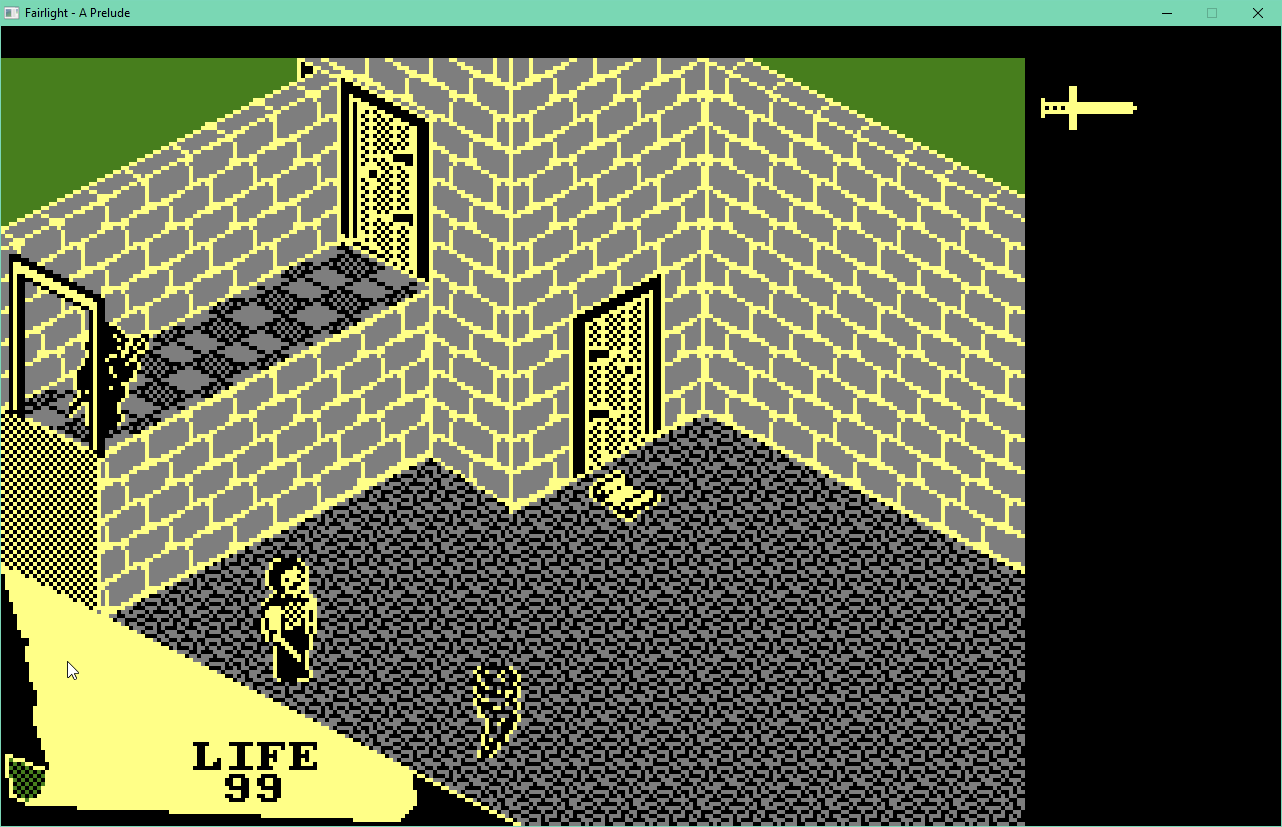
I uploaded a snapshot of a famous isometric game to Claude, and then asked it (with some very specific criteria) to decompile the game from the snapshot, and rewrite it completely in BlitzMax, with the intention that everything (menus, in-game, sounds etc) work just like the original game.
Holy cow. In a bit over an hour, it was done, and the result is astonishing.
The resulting blitzmax code is easy to follow, and commented.
For anyone that is interested, this was my prompt (using Claude Opus 5.5’s Low setting):
hello.
decompile this.
i would like it ported to blitzmaxNG 0.165.3.61.
Port the ENTIRE program to blitzmax.
Very simple, clean, easy to follow code, and totally unoptimised.
Try to create an equivalent sound for every sound in the program.
Make it run in a window of 1280x800, where the cpc’s display is scaled up x 4.
no optimisation.
no fancy stuff.
just a straight 1:1 port.
no weird memory stuff for going through data, just simple arrays where possible.
the golden rule is to keep the blitzmax code AS SIMPLE AS POSSIBLE, and as readable and easy to follow as possible.
seriously, no fancy or “sophisticated” stuff at all!
Same game effectivly, remakes will be easier to create.
I have tried with my game Bitume’s sources to migrate to my C++ framework with Direct2d (update of framework Direct3d i used to Hurlements remake for Windows). And it works of course.
Again, another kind of game I was trying to mimic in a project by hand (creating a kind of Isometric framework for CPC)… Trying to learn on the way (even got some Jon Ritman article on it to read). And AI can just provide the code if I wish.
But it’s OK, it’s just ‘an implementation’ among others… I can keep going slowly (instead of slopely).
Did you plan to edit and use it as a base for another game? Or is it just for the beauty of porting it?
I’ve always been interested in how isometric games were made, especially given the hardware limitations. And the BlitzMax code is very easy to follow and will be very easy to learn from. AI has just given me a way to actually examine and understand how it works.
And I have to say, Jon Ritman is an absolute genius! The cause/effect relationship between objects in the game, the interactions between characters and objects, characters and surfaces, and characters and characters is remarkably deep and very nuanced. I never appreciated just how clever Head Over Heels really is. Not just a gameplay masterpiece, but a coding masterpiece as well.
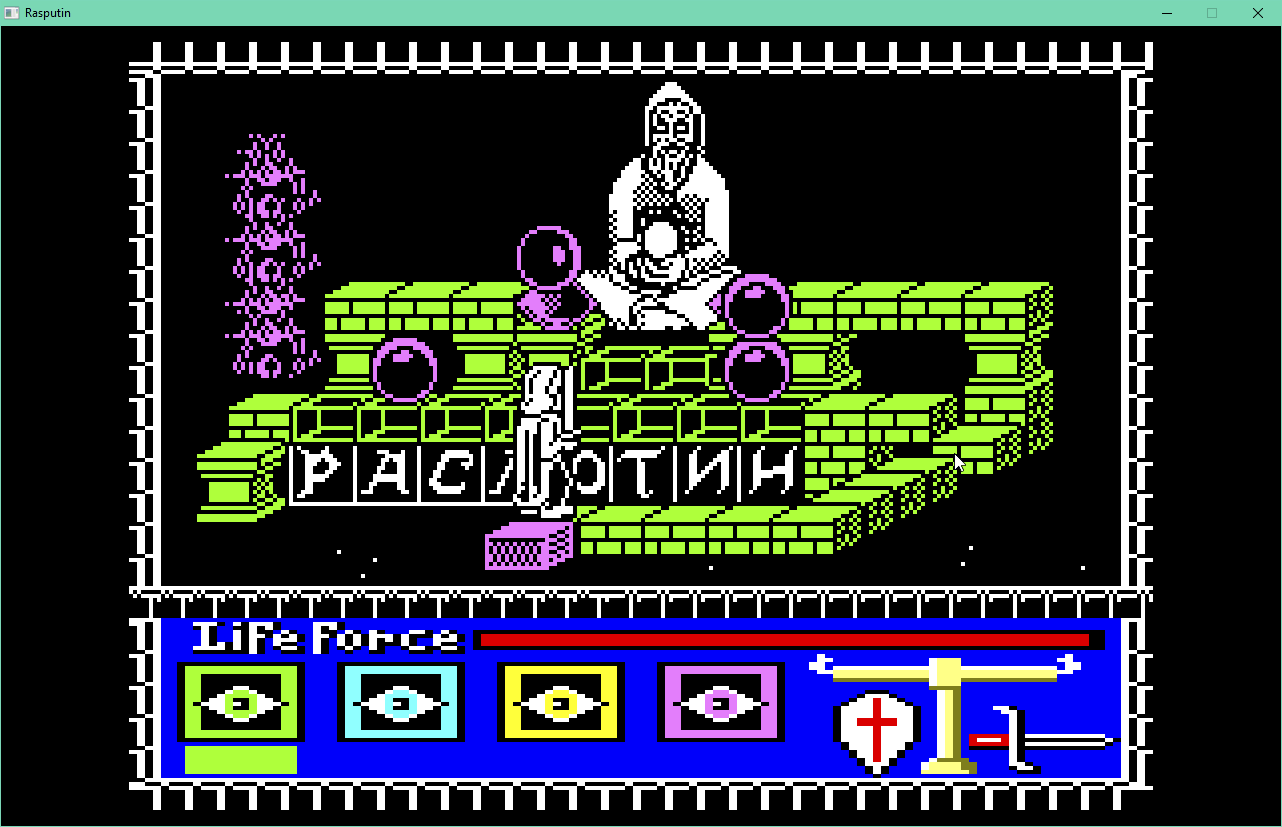
Head Over Heels is my favourite CPC game of all time, so peeking behind the curtain is very special to me. I’m thinking of having Claude port Rasputin next…
The resulting BlitzMax code from all 3 games is indeed very easy to understand and follow. I don’t yet know how I feel about it ethically, but as a learning tool it is tremendous.
There was already a similar issue with disassemblies game, but that still required a fair amount of technical skill within the context of CPC development.
That’s a very good point… however in this case I didn’t “earn” the right to examine how the games work. I just suddenly (and easily) have the ability to understand the algorithms used in these closed-source games.
Of course, the original source code is not available, and this is a reconstruction. But algorithmically it is likely a very valid representation of what the original developers had created. It feels like cheating.